Pink Jelly: A Bright, Playful Color Font for Handmade Creators
As a handmade business designer who’s shipped over 12,000 custom mugs, planner stickers, and party favor kits—and built two Etsy shops from scratch—I opened Pink Jelly with cautious optimism. I’d just landed a rush order for spring baby shower gift tags, tumbler wraps, and printable wall art for a local boutique, and needed a font that felt joyful but not juvenile, vibrant but not overwhelming. Pink Jelly delivered—immediately.
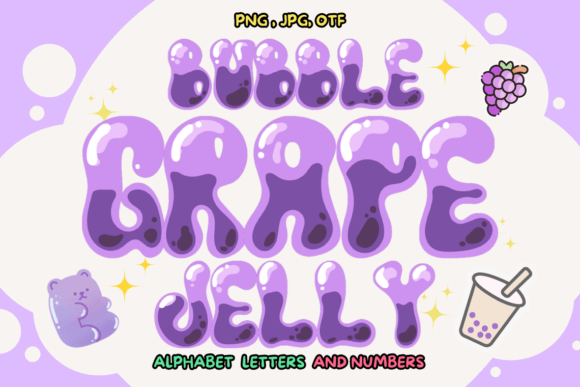
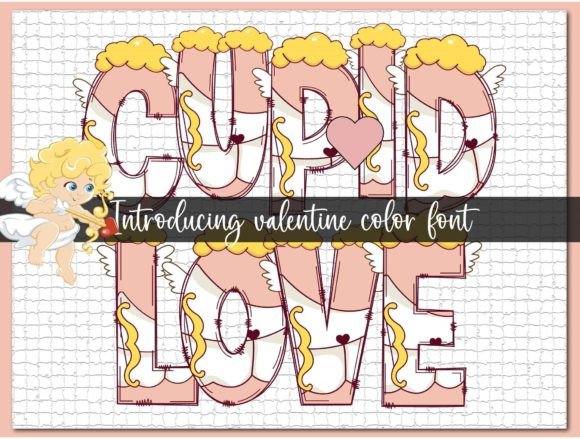
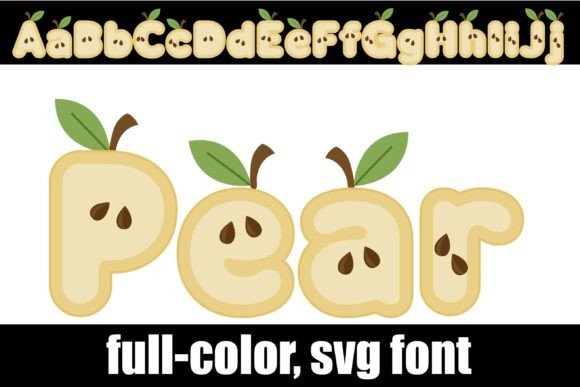
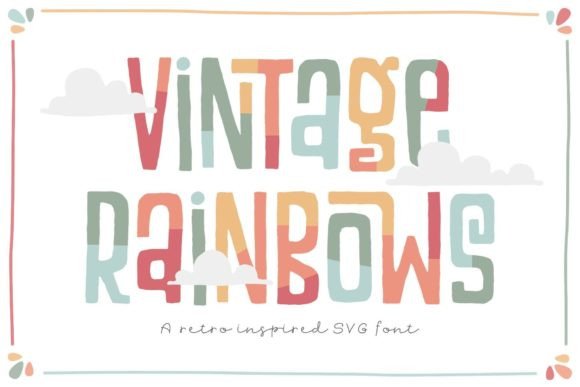
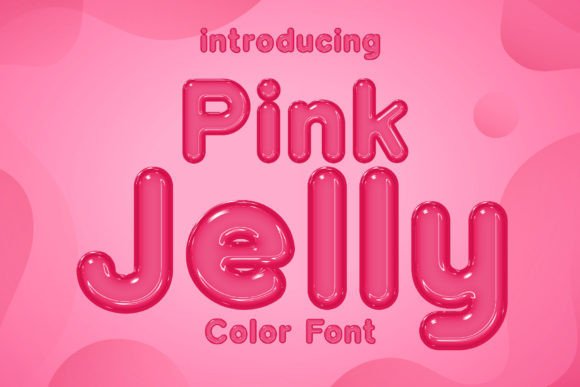
Pink Jelly is a cute, bright, and fun color font—but it’s more than just “pink.” Its authentic hand-painted texture, subtle ink bleed, and soft rounded edges give it warmth and approachability. It leans feminine without being saccharine, playful without sacrificing legibility, and festive without feeling seasonal-only. Think: a small-batch candle label that whispers “hand-poured,” not “mass-produced.” Your ideal customer? The mom planning a gender-reveal picnic, the wedding planner sourcing elegant-yet-relatable signage, or the Etsy shopper searching for “cute but not cutesy” digital products.
Where Pink Jelly Shines in Real Crafting Workflows
This isn’t a font you’ll use for every project—but when it fits, it *fits*. Here’s where it consistently elevates real handmade work:
- Cricut & Silhouette projects: Pink Jelly’s SVG design cuts cleanly on vinyl and heat transfer material—especially at 2"–4" sizes. I used it for a batch of custom tote bags (matte pink vinyl on natural canvas), and the color layer held up beautifully through weeding and pressing.
- Sticker design & planner stickers: As a PNG design with transparent background, it scales crisply for kiss-cut sticker sheets. Works best on glossy or matte white vinyl—not clear, since the pink tones need contrast to pop.
- Mug design & tumbler wraps: Paired with a simple sans-serif for body text, Pink Jelly makes sublimation-ready social media mockups feel premium. Tested at 300 DPI—it printed vibrantly on white ceramic mugs and stainless steel tumblers.
- Printable design & digital product bundles: Bundled with coordinating floral clipart and pastel borders, Pink Jelly became the anchor font for my “Spring Bloom Planner Kit.” Customers specifically mentioned how “fresh and friendly” the headers felt compared to generic script fonts.
- Gift tags, party decorations & handmade packaging: Printed on kraft cardstock with light pink ink, it gave rustic charm to Easter egg hunt favors. On glossy stock? Instant boutique-level polish.
Where to Use Pink Jelly Thoughtfully (Not Just Automatically)
Color Fonts like Pink Jelly are powerful—but they’re not universal. I learned this the hard way after a misfire on a set of mini gift tags (¾" tall). Here’s what to watch for:
- Avoid very small cutting details: Below 1" height, the inner textures blur. For tiny sticker accents or micro-labels, simplify with a clean outline version—or swap in a crisp sans serif.
- Don’t crowd it: Pink Jelly needs breathing room. Layering it over busy patterns or dense clipart drowns its charm. Pair it with minimalist illustration or solid-color backgrounds instead.
- Test contrast carefully: On dark products (black tumblers, navy totes), the pink tones can mute. I recommend testing with a light overlay or using the font’s lighter weight variant if available.
- Layered vinyl projects require planning: Since Pink Jelly is a multi-layer color font, aligning separate pink, white, and shadow layers takes extra time. For fast-turnaround craft fairs, I pre-align and group layers in Design Space before cutting.
Practical Crafter Notes You’ll Actually Use
Before adding Pink Jelly to your next Etsy product or customer order, do these five things:
- Test the SVG file in your cutting software—check for stray nodes, overlapping paths, or ungrouped layers that could cause cut errors on Cricut or Silhouette.
- Preview the PNG transparency against both white and black backgrounds. Does the pink hold up? Does the shadow layer disappear or turn muddy?
- Confirm resolution for sublimation: Resize to actual print dimensions and verify no pixelation at 300 DPI—especially for large-format printable wall art or tumbler wraps.
- Place it on real product mockups, not just flat previews. I use free Canva mockups + screenshots of my own finished mugs to see how Pink Jelly reads in natural light.
- Pair it intentionally: With a clean serif (like Playfair Display) for elegance, a friendly sans (like Quicksand) for balance, or a delicate script (like Pacifico) for layered invitations. Avoid pairing with other decorative color fonts—it competes, not complements.
And yes—always double-check the commercial license. Pink Jelly includes full commercial rights for physical and digital products, but some marketplaces (like certain print-on-demand platforms) have font embedding restrictions. I keep a spreadsheet tracking which design assets are cleared for mug designs vs. editable digital downloads vs. physical sticker packs.
Why This Color Font Fits Your Handmade Business Right Now
If you’re building a cohesive shop identity—whether it’s a seasonal craft fair booth, an Etsy collection themed around “Joyful Everyday,” or a line of printable affirmation cards—Pink Jelly adds personality without shouting. It’s not a trend-chasing novelty; it’s a versatile graphic design asset that supports storytelling. When customers see Pink Jelly on your thank-you card, your Instagram story banner, and your gift tag, they sense consistency, care, and creative intention.
I’ve used it across six product categories this year alone: greeting cards, sublimation-ready tumbler wraps, SVG cut files for iron-on transfers, printable planner pages, digital sticker sheets, and even as a branded accent in my small business branding toolkit (think: logo submark, email signature, packing slip header). Each time, it reinforced a feeling—not just a look.
For crafters who value authenticity over automation, and handmade sellers who know their buyers choose products with soul—Pink Jelly isn’t just another font. It’s a quiet collaborator in your creative process.