Mali: A Vibrant Color Fonts Choice for Local Branding
First Impression: Bold, Warm, and Unmistakably Human
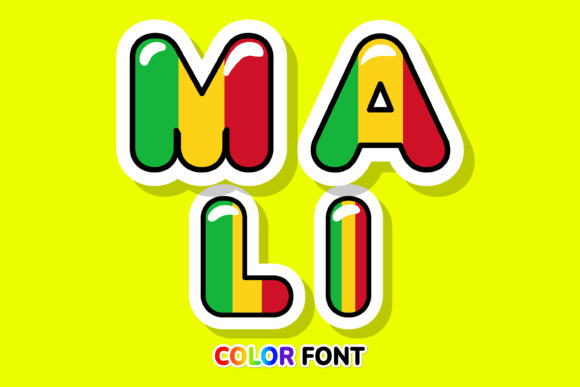
When I opened Mali for the first time—testing it in a mockup for “Hearth & Hive,” a local artisanal honey and candle brand—I felt an immediate lift. Mali isn’t just another decorative font; it’s a graphic design asset with rhythm, warmth, and quiet confidence. Its layered color structure evokes hand-painted signage, West African textile motifs, and sun-baked earth tones—all without leaning into cliché. It reads as friendly but not childish, handmade but not amateurish, modern but deeply rooted. For small business branding, that balance is rare—and valuable.
Where Mali Fits Like a Well-Worn Apron
Mali shines brightest where authenticity meets intention: product labels for small-batch preserves, hang tags for ceramic mugs, seasonal poster series for a neighborhood florist, or foil-stamped stickers on reusable coffee bags. I used it recently for a limited-edition holiday candle line—pairing Mali’s rich green-gold-red layers with a clean, airy sans serif for ingredients and origin details. The result? Instant visual hierarchy, stronger shelf appeal, and a cohesive brand identity that felt both grounded and celebratory.
It also elevates digital touchpoints: social media graphics for farmers’ market pop-ups, printable thank-you cards tucked into subscription boxes, hero banners for boutique websites, and Canva templates for local makers who manage their own marketing visuals. As a color font, Mali delivers consistent, editable vibrancy across platforms—no manual layering or raster fixes needed.
Real Business Use Cases That Just Work
- Product label accents: Mali headlines jar names (“Wild Lavender Honey”) while supporting typography handles weighty details like harvest date and beekeeper name.
- Packaging design: Used sparingly on kraft paper boxes or linen pouches, Mali adds warmth without overwhelming tactile textures.
- Seasonal campaign visuals: Its inherent festivity makes it ideal for summer solstice soaps, Eid gift sets, or Juneteenth-themed bakery packaging—without needing illustration or clipart.
- Social media graphics: Mali scales beautifully in Instagram carousels and Pinterest pins—especially when exported as high-res PNG design with transparent backgrounds.
- Printable inserts: Thank-you cards, care instructions, or story cards tucked into handmade goods gain emotional resonance when Mali introduces the brand voice.
Where to Proceed With Intention (Not Just Enthusiasm)
Mali is expressive—not exhaustive. It shouldn’t anchor formal corporate branding, legal disclaimers, or ingredient-heavy food labels where clarity trumps charm. Avoid using it for tiny QR code labels, crowded spice tins, or minimalist luxury skincare lines where restraint defines premium perception. On low-contrast backgrounds (e.g., light tan on cream), its layered color may soften unpredictably—always preview in real lighting conditions.
Crucially: Mali is not a replacement for your core brand type system. It’s a strategic accent—a graphic design asset that earns its place through contrast and context. Think of it like a hand-thrown mug handle: functional only because the body holds the form.
Brand Designer Notes You’ll Actually Use
- Test on real packaging mockups—not just screen previews. Print a few versions on your actual label stock to see how Mali’s colors interact with substrate texture and ink absorption.
- Check black-and-white usage: Does the shape hold up if color fails (e.g., monochrome printing, accessibility settings)? Mali’s silhouette remains legible—but verify before finalizing.
- Preview at 8pt on a 2” x 3” label: Some color fonts collapse visually at small sizes. Mali holds well down to ~10pt in print, but test rigorously.
- Pair intentionally: Try Mali beside a sturdy sans serif (like Inter or Poppins), a warm serif (Cormorant Garamond), and even a delicate script. Notice where contrast strengthens hierarchy—and where competition muddies messaging.
- Confirm commercial licensing: This is non-negotiable. Mali must be licensed for physical product sales, client work, and distribution in digital products—even if you’re a solo maker selling five jars a week. Verify SVG editability if you plan vector adjustments in Illustrator or Affinity.
- Compare against competitor packaging on shelf or in-store photo. Does Mali help your product stand out—or blend into a sea of similar “handmade” fonts?
Why This Matters for Your Local Business
In a world saturated with AI-generated sameness, Mali offers something quietly powerful: human-scale distinction. When customers pick up a soap bar labeled with Mali, they don’t just read “Oat + Chamomile”—they feel care, craft, and cultural resonance. That translates directly to customer trust, repeat purchases, and word-of-mouth referrals from neighbors who notice your packaging “just looks *right*.”
For food businesses, it reinforces freshness and provenance. For boutiques, it signals curation and warmth. For handmade sellers, it honors process without shouting “handmade!” in tired tropes. And for marketers managing multiple local clients, Mali is a versatile, licensable tool that delivers professional branding without custom illustration budgets.
Final Thought: Design Is Decision-Making
Mali isn’t magic—it’s a thoughtful choice. Used with discipline, it strengthens visual hierarchy, deepens emotional connection, and makes your small business branding feel intentional rather than incidental. Whether you’re designing for a children’s toy shop in Asheville or a fermented hot sauce brand in Detroit, Mali works because it respects the audience: real people, shopping local, valuing authenticity over algorithmic polish. That’s not just good design. That’s good business.